Keloid treatment

These are unsightly scars which have the capacity to spread into surrounding normal tissues. Most people are born with tendencies to develop keloids. In these, any small or big wound can become a keloid. The common areas are chest, shoulders, joints, ears or sites of injury or piercing. Keloid treatment is cumbersome and chances of recurrence are high.
- Silicon & Gels/Cream: Silicon gel sheets and silicon based gels along with topical steroid creams helps in softening the keloid. They also help with colour changes are betterment of keloid. These can be used to suppress the recurrence as well. Adhesive tapes are the most useful.
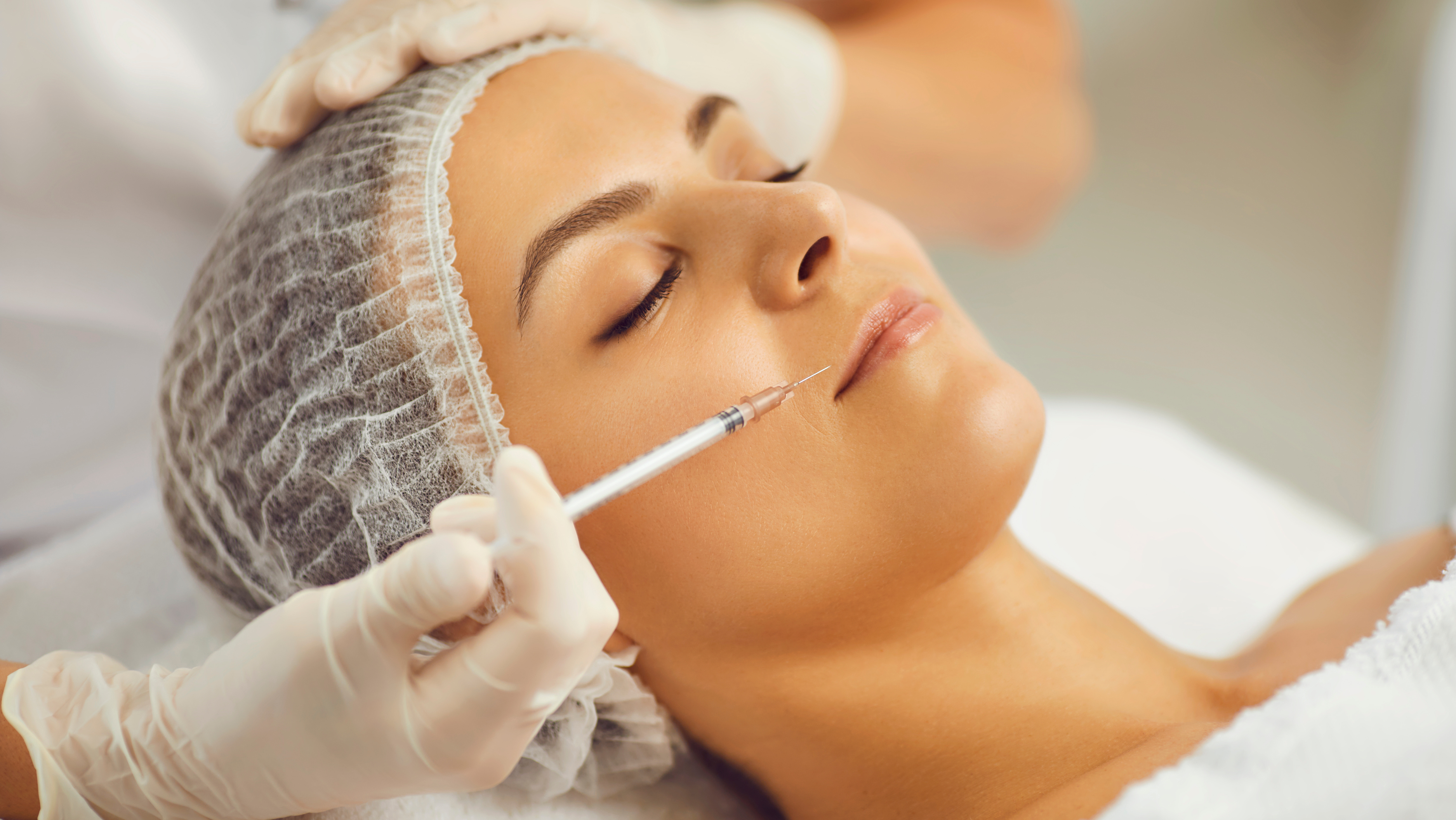
- Injections: Triamcinolone acetonide and 5FU are the commonly used injections into keloid sites to reduce its thickness and limit its spread. They have to be used very carefully as they may have their side effect profiles in the long run. Multiple such injections might be needed depending on the extent of your keloid. These can be painful and thus can be used under topical Emla or Local Anaesthesia with Lignocaine. Please speak to your skin care provider if you are a candidate to take these.
- Lasers: Fractional CO2 and Pulse dye laser have shown some help. Small localised keloids can be very carefully removed with intralesional CO2 laser excision. It is a meticulous job and the risk of developing keloid in lasered areas cannot be neglected.
Keloids Treatment Results

FAQs
A keloid is a raised, thickened scar that forms due to an overgrowth of collagen during the wound-healing process. It typically occurs after skin injuries such as cuts, burns, surgery, or even acne. Keloids can grow beyond the original wound site.
Keloids appear as firm, raised scars that can be pink, red, or dark in color. They may cause itching, tenderness, or discomfort. In some cases, keloids grow larger over time, becoming cosmetically concerning or painful.
At Pandit Clinic, we offer advanced treatments for keloids, including:
Corticosteroid injections to reduce inflammation and shrink the keloid.
Laser therapy for scar flattening and discoloration improvement.
Surgical removal followed by post-surgery care to prevent recurrence.
Cryotherapy for freezing and reducing smaller keloids.
Silicone sheets or gels for ongoing scar management.
Corticosteroid injections to reduce inflammation and shrink the keloid.
Laser therapy for scar flattening and discoloration improvement.
Surgical removal followed by post-surgery care to prevent recurrence.
Cryotherapy for freezing and reducing smaller keloids.
Silicone sheets or gels for ongoing scar management.
While keloid treatments can effectively reduce size and symptoms, there is a possibility of recurrence, especially in people with a genetic predisposition. A combination of treatments and preventive measures helps minimize the chances of recurrence.
Most treatments are minimally invasive and involve mild discomfort. For instance, corticosteroid injections may cause slight pain at the injection site, but our specialists ensure a comfortable experience using numbing techniques.
Get In Touch
Schedule appointments anytime, anywhere! Pandit Clinic offers the convenience of online appointment booking just for you.