
- January 13, 2025
- By: admin
- No Comments
Botox Treatment: Neurotoxin for Wrinkles & Medical Conditions
Botox is a neurotoxin that is used to treat a variety of medical and cosmetic conditions. It is most commonly used to reduce the appearance of facial wrinkles, but it can also be used to treat medical conditions like migraines, excessive sweating, and muscle spasms.
The Botox injection is made from a purified form of the botulinum toxin, which is produced by the Clostridium botulinum bacteria. When injected into the muscles, it temporarily paralyzes them by blocking the signals that are sent from the nerves to the muscles. This causes the muscles to relax, which reduces the appearance of wrinkles and other fine lines.
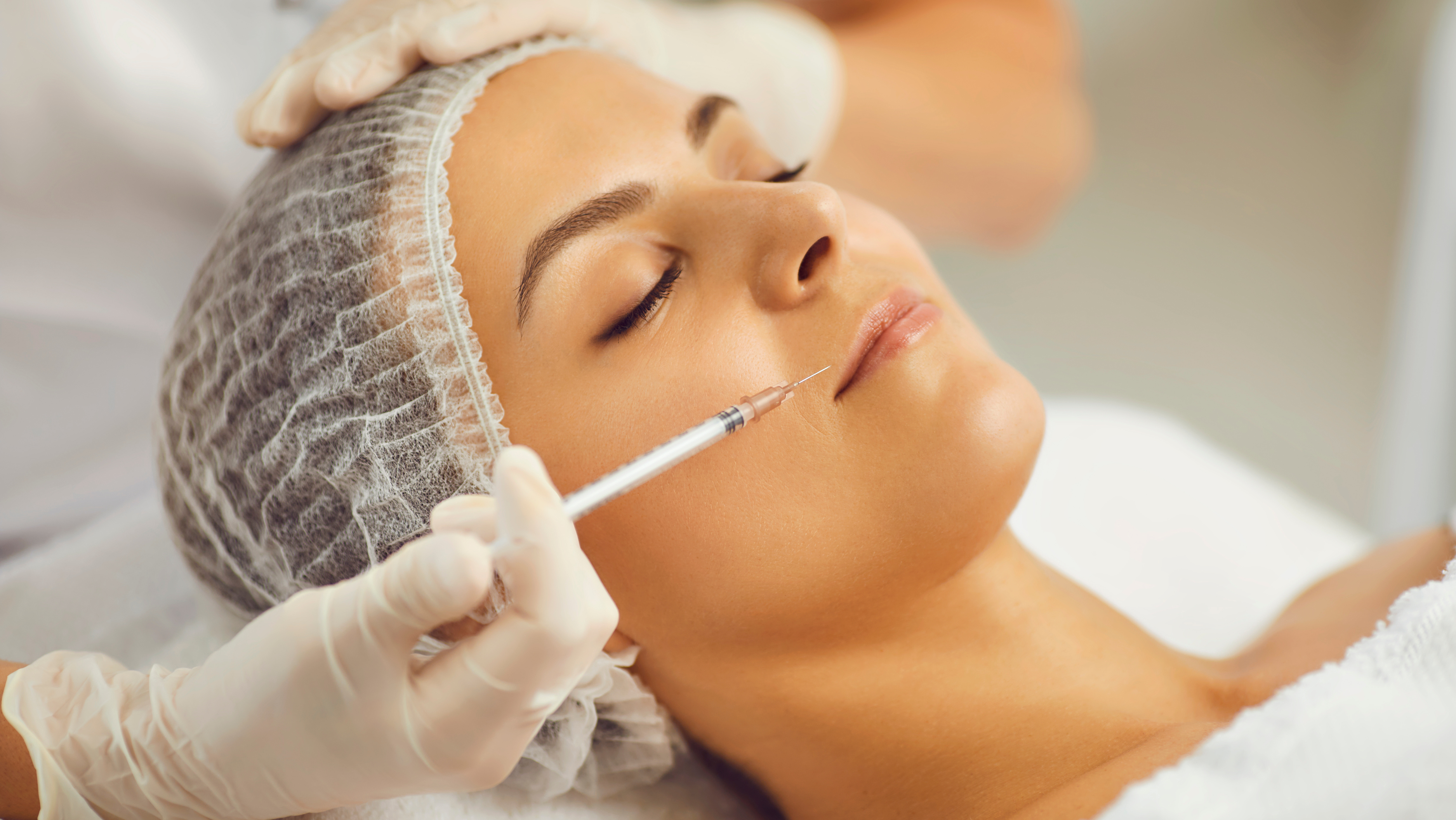
Botox treatment is typically performed in a doctor’s office or medical spa. The procedure is relatively simple and usually takes only a few minutes to complete. Before the treatment, the doctor will examine the areas that are to be treated and may mark the injection sites with a pen. They may also apply a topical anesthetic cream to numb the area and reduce any discomfort.
During the treatment, the doctor will inject small amounts of Botox into the muscles that are causing the wrinkles. The number of injections will depend on the size and location of the treatment area. The entire process typically takes less than 15 minutes, and patients can usually return to their normal activities immediately.
The effects of Botox typically last for three to six months, after which time the muscles will gradually regain their strength, and the wrinkles will begin to reappear. Repeat injections are usually necessary to maintain the desired results.
Indications:
Botox is commonly used for both medical and cosmetic purposes. Some indications for Botox treatment include:
- Cosmetic: Botox is often used to reduce the appearance of fine lines and wrinkles on the face
- Crow’s feet around eyes
- Angry face
- Sad face
- Medical: Botox can also be used to treat a variety of medical conditions, including:
- Chronic migraines: Botox injections can help reduce the frequency and severity of chronic migraines by blocking the release of certain chemicals that cause pain.
- Excessive sweating: Botox injections can be used to treat excessive sweating (hyperhidrosis) by blocking the nerves that trigger sweat glands.
- Muscle spasms and stiffness: Botox can be used to treat muscle spasms and stiffness in conditions such as cerebral palsy, multiple sclerosis, and spinal cord injuries.
- Eye disorders: Botox injections can be used to treat certain eye disorders, such as crossed eyes (strabismus) and uncontrolled blinking (blepharospasm).
- Bladder dysfunction: Botox can be used to treat an overactive bladder by relaxing the muscles that control urination.
It’s important to note that Botox treatment should only be performed by a qualified healthcare professional who is experienced in administering the medication. They will be able to determine if Botox is the right treatment for your specific condition and ensure that the injections are done safely and effectively.
Although Botox is generally considered safe, there are some potential risks and side effects associated with the treatment. These can include bruising, swelling, pain, and redness at the injection site, as well as more serious complications like muscle weakness or difficulty breathing. It is important to discuss the risks and benefits of Botox treatment with your doctor before undergoing the procedure.
Overall, Botox is a safe and effective treatment for reducing the appearance of wrinkles and other fine lines. It can also be used to treat a variety of medical conditions. If you are considering Botox treatment, be sure to consult with a qualified healthcare provider to determine if it is the right choice for you.
Here are some general care tips that you should follow after receiving Botox treatment:
- Avoid touching the treated area: Try not to rub, touch or massage the treated area for at least 24 hours after the treatment. This helps to prevent the Botox from spreading to other areas.
- Stay upright: After receiving Botox injections, remain upright for at least 4 hours. Avoid lying down or bending over, as this can cause the Botox to spread to other areas.
- Avoid strenuous exercise: Avoid exercise for at least 24 hours after receiving Botox injections. This can help to prevent the Botox from spreading to other areas.
- Avoid alcohol: Avoid drinking alcohol for at least 24 hours after the Botox treatment. Alcohol can thin your blood and cause bruising.
- Avoid certain medications: Avoid taking blood-thinning medications like aspirin or ibuprofen for at least 24 hours after the treatment, unless you have been advised otherwise by your doctor.
- Avoid extreme temperatures: Avoid exposing the treated area to extreme heat or cold temperatures, like saunas, hot showers, or icy compresses, for at least 24 hours after the treatment. Be patient: It may take up to 14 days for the full effects of Botox to become apparent. Avoid touching the treated area during this time.
- Follow-up appointments: Make sure to attend any follow-up appointments your doctor recommends. These appointments will help your doctor to monitor your progress and ensure you are happy with the results. Always consult with your healthcare provider for specific instructions on post-treatment care.